

3D Exterior Signs in Vancouver: How to Choose the Right Type for Your Business
Quick Answer: The right 3D exterior sign depends on your building type, viewing distance, operating hours, visibility requirements, and budget. Front-lit or halo-lit channel letters can work well for many Vancouver storefronts, while dimensional built-up letters offer a clean, architectural look. For outdoor installations, choose materials and finishes suited to Vancouver’s wet coastal climate, and check the applicable sign permit requirements before fabrication.
If you’ve walked down Robson Street, Main Street, or Commercial Drive lately, you’ve probably noticed how dimensional and illuminated signage can make storefronts easier to identify from the street. A 3D sign Vancouver has a practical job beyond looking good: it needs to remain readable at the appropriate distance, work during both daytime and evening hours, and suit the building where it is installed.
The wrong sign type can underperform even when the design looks impressive in a mockup. Here’s how to choose one based on the actual conditions around your property.
Step 1: Match the Sign Type to Your Building
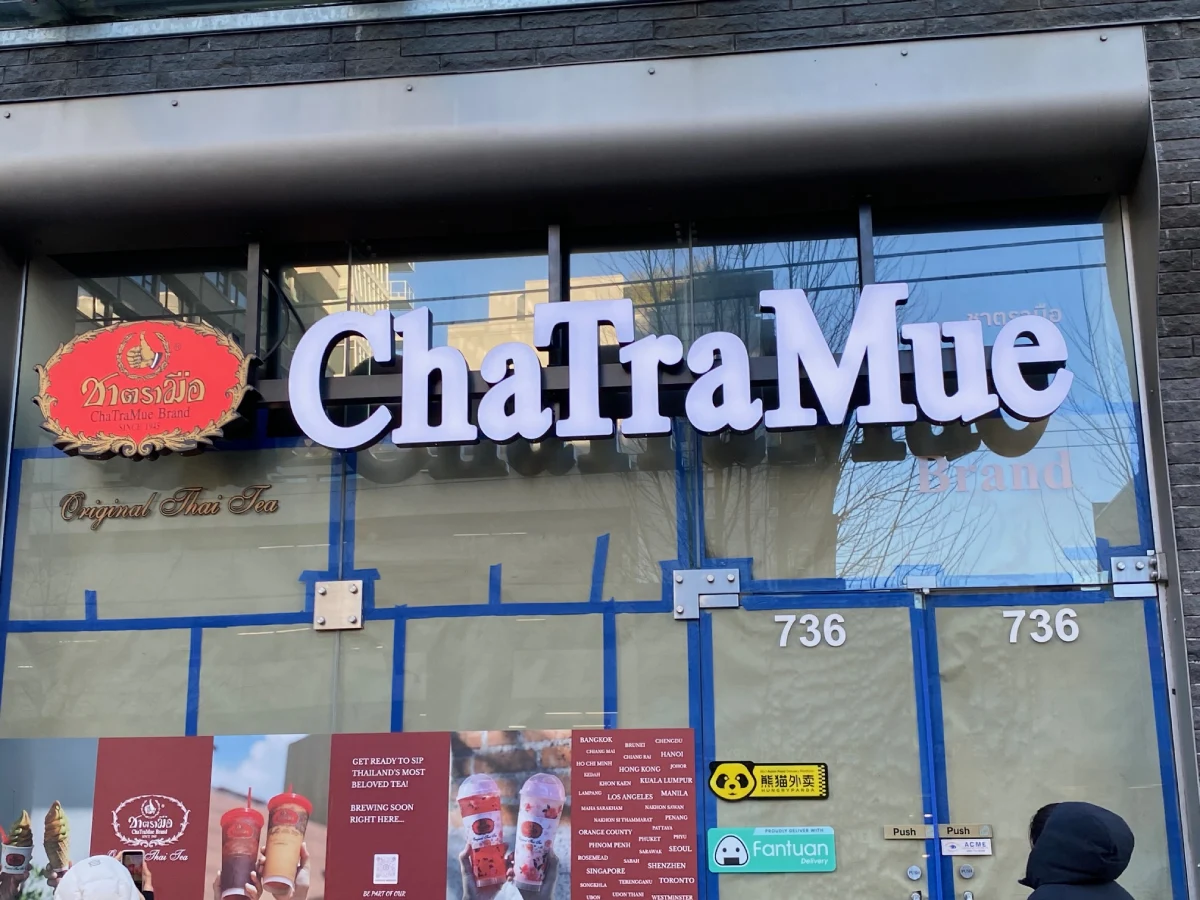
Channel letters are individually fabricated, illuminated letters mounted directly to a facade. They are a popular choice for storefronts because they can provide clear visibility at both walking distance and from the road.
They generally come in two main lighting styles:
Front-lit — the letter face itself illuminates for strong, direct visibility.
Halo-lit (reverse-lit) — light spreads behind the letter against the wall, creating a softer and more understated appearance.
Dimensional (built-up) letters are non-illuminated, sculpted letters made from materials such as aluminum or acrylic. They can work well where the building already has strong architectural lighting or where the brand calls for depth without internal illumination.
Pylon and monument signs apply the same dimensional principle to freestanding signage. They can be useful for set-back properties such as commercial parks and buildings along busy arterial roads where the storefront itself may be too far from the sidewalk to provide sufficient visibility.
A useful starting point is roughly 1 inch of letter height for every 10 feet of intended viewing distance. However, final sizing should also consider the font, contrast, viewing angle, traffic speed, and surrounding signs. A sign viewed from across a two-lane street will generally need a different scale from one positioned directly above an entrance.
Step 2: Choose Materials for Vancouver’s Climate, Not Just the Showroom
Exterior signs have to withstand Vancouver’s wet winters, coastal moisture, temperature changes, and UV exposure. Material selection can make a significant difference to how a sign performs over time.
Common materials considered for exterior applications include:
Corrosion-resistant aluminum — lightweight and suitable for many exterior letters, returns, and backing applications.
UV-stable acrylic — commonly used for illuminated faces where consistent appearance and light transmission are important.
Aluminum composite panels — useful for rigid, lightweight exterior panels where the application calls for them.
If a quote simply specifies “aluminum” or “acrylic,” ask for the actual material specification, finish, and intended exterior application. Different grades and finishes can perform differently depending on exposure and installation conditions.
Step 3: Decide on Illumination Based on Operating Hours and Foot Traffic
If your business receives significant evening traffic — such as a restaurant, retail store, clinic, or other evening operation — illuminated channel letters can improve visibility after dark.
For a daytime-only professional office, halo-lit or non-illuminated dimensional letters may provide the desired appearance without requiring internal illumination.
LED illumination is widely used in modern signage because it can provide consistent brightness with relatively low power consumption and maintenance requirements compared with many older lighting technologies.
The objective is not simply to make a sign brighter. It is to make the business easy to identify without creating unnecessary glare or overpowering the surrounding streetscape.
Step 4: Budget and Permits
Cost depends on factors such as sign size, illumination, materials, fabrication complexity, mounting requirements, and installation conditions. See our full signage cost breakdown for ranges by sign type.
Before approving fabrication, check whether your project requires a City of Vancouver sign permit. Signs on private property generally require a permit, although specific exemptions and requirements apply depending on the sign and property. Our Vancouver sign permit guide explains the main considerations.
Planning for permits early is important if your sign needs to be installed around a store opening or renovation deadline. Changes required after fabrication can create unnecessary delays and additional costs.
Why Work With a Local Fabricator
A sign designed for one climate or building type may not be appropriate for another. Vancouver’s wet coastal conditions, local building characteristics, viewing distances, and sign regulations should all be considered during the planning process.
When comparing a Sign Company Vancouver businesses can work with, ask about materials, fabrication, mounting, permitting, installation, warranty, and maintenance rather than comparing designs on appearance alone.
See our 3D Storefront Signs and Exterior Signs pages for examples of completed work, or read how to vet a sign company in Vancouver if you’re comparing providers.
Ready to Choose the Right Exterior Sign?
Whether you’re outfitting a new storefront or replacing an outdated sign, contact Amber Sign & Design for a consultation. We’ll assess your building, recommend suitable materials and sign types for your visibility needs, and help coordinate design, permitting, fabrication, and installation from start to finish.
Frequently Asked Questions
What's the difference between front-lit and halo-lit channel letters?
Front-lit letters glow across the letter face itself for maximum visibility. Halo-lit (reverse-lit) letters project light outward behind the letter against the wall, giving a softer, more premium look — common for professional offices and upscale retail.
Do 3D exterior signs need a permit in Vancouver?
Most illuminated and projecting exterior signs require a City of Vancouver permit before installation. Non-illuminated signage below certain size thresholds may not.
How long do 3D exterior signs last in Vancouver's climate?
Signs built in marine-grade aluminum and UV-stable acrylic typically hold their finish and structural integrity for 10+ years. Signs built with lower-grade or unsealed materials often show fading, yellowing, or corrosion within 2–3 years of coastal exposure.
How big should my letters be?
A general starting rule: roughly 1 inch of letter height for every 10 feet of intended viewing distance. A sign meant to be read from across the street needs larger letters than one meant to be read at your entrance.
Are LED channel letters more expensive to run than older lighting?
No — LED draws significantly less power than neon or fluorescent, lasts longer, and lights more evenly across the full sign face.
